
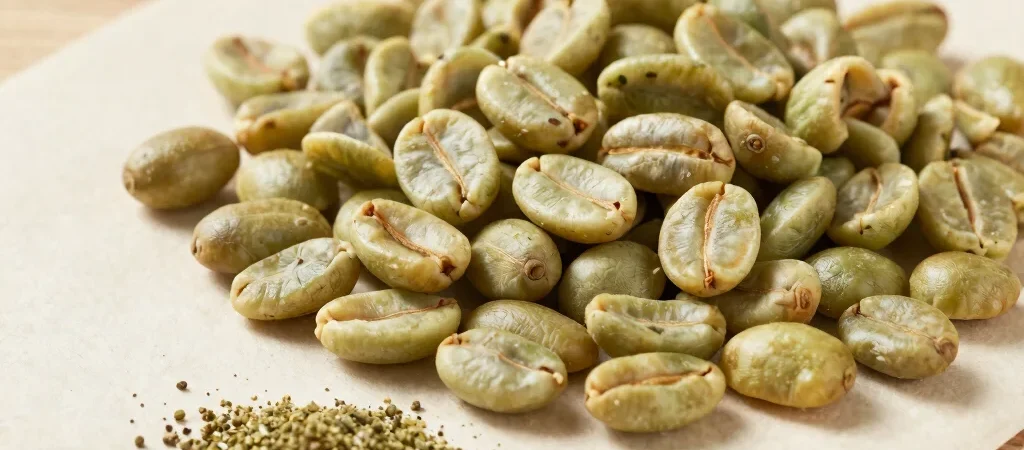
A bag labeled washed can suggest a cleaner, more defined cup, but it cannot tell you exactly what your coffee will taste like. Washed refers to how the fruit is removed from the coffee seed before drying, with water used during parts of the process. Variety, growing conditions, roasting, and brewing all shape what reaches your cup too.
What happens after harvest
Coffee seeds are commonly called beans, though botanically they are the seeds inside a fruit known as a coffee cherry. In washed processing, the outer fruit is removed and the seeds are fermented to loosen remaining sticky mucilage before they are washed and dried. The details vary by producer, but the method generally removes much of the fruit material before drying.
Why tasting notes vary
Processing can influence flavor, yet it works alongside the coffee’s origin, cultivar, harvest, and roast. Two washed coffees can taste quite different, and notes such as citrus or florals are descriptions to explore, not guaranteed ingredients or outcomes. Brewing changes the impression again: water temperature, grind size, and ratio can bring different qualities forward.
Use the label as a clue
When choosing a bag, treat the process name as one useful detail rather than a verdict on whether you’ll enjoy it. Pair it with origin and roast information, then brew consistently so you can notice what changes from cup to cup. If you want a clearer comparison, try washed and naturally processed coffees side by side using the same brewing method.